Hole in the Wall Pizza: Why the Best Slice You'll Ever Eat Comes From a Place With No Yelp Reviews
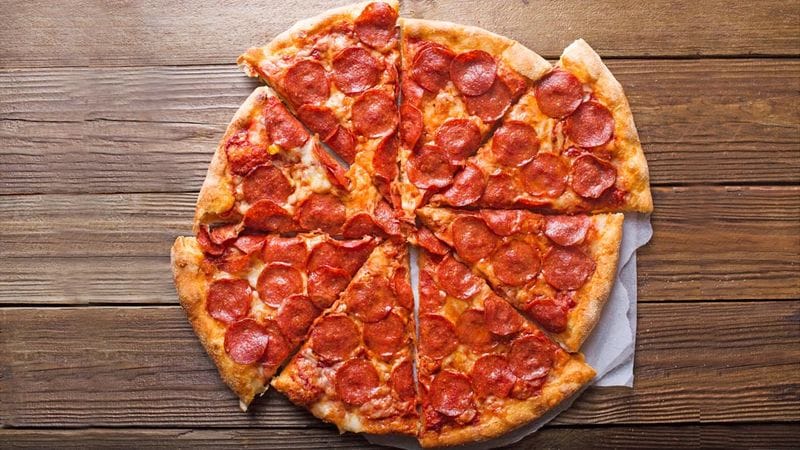
There's a pizzeria on a side street in every American city that has been there longer than the current city government. The sign is faded. The hours are whatever the owner feels like. There's a laminated menu taped to the plexiglass, and the guy behind the counter knows maybe twelve people by name. The pizza is the best you've ever had.
This is the hole in the wall pizza phenomenon, and it is not a fluke. It is, in fact, the natural result of decades of doing one thing without distraction, without Instagram, and without a PR firm. Understanding why these places produce the best pizza — and how to find them — is the assignment.
What Is Hole in the Wall Pizza, Really?
The phrase gets thrown around loosely, so let's establish a definition. A hole in the wall pizza spot is a small, independently owned pizzeria that prioritizes the product over the experience. No reservations. No $28 cocktails. No "pizza sommelier." The dining room, if it exists, probably has wood-paneled walls, a refrigerator case of canned Coke, and a TV showing a game that nobody is watching.
The result of all this stripped-down simplicity: the owner has been making the same dough recipe for 30 years, the oven has been at the same temperature since the Clinton administration, and the sauce is based on a can of San Marzanos that the owner's cousin ships from a specific distributor in New Jersey. There is no reinvention. There is only refinement.
This is categorically different from a trendy artisan pizza place, which launches with a $6 million buildout, gets a Bon Appétit feature, has a six-week waitlist, and serves a pie where the crust is somehow both wet and dusty. The hole in the wall has had fifty years to figure out that crust.
The Science of Why Hole in the Wall Pizza Tastes Better
There's a real reason these slices hit differently, and it comes down to three factors: fermentation time, oven type, and lack of pressure to innovate.
Fermentation time. Great pizza dough needs time. A 48- to 72-hour cold fermentation develops complex flavors that no same-day dough can replicate. The yeast produces lactic and acetic acids that give the crust a slightly tangy, deeply savory quality. Most old-school hole in the wall places have never stopped doing this — not because they read a food science paper, but because that's how they were taught. According to Serious Eats' food science team, the difference between an overnight ferment and a two-hour one is measurable in both texture and flavor complexity.
Deck ovens. The classic pizzeria uses a deck oven — a thick stone or steel surface that transfers direct heat to the bottom of the pie, producing that signature char and crispness on the undercarriage. These ovens run hot, typically 500–600°F, and they retain heat consistently throughout a busy service. They cost $10,000–$30,000 new, but a 40-year-old establishment has been amortizing that thing since before you were born. The dough hits that surface and something happens that no home oven at 475°F can fully replicate.
No incentive to mess with perfection. The worst thing that can happen to a legendary hole in the wall is a chef who wants to "push the boundaries of the form." A second-generation owner who learned from their parents has zero ego investment in putting truffle oil on things. They're making the pizza that made their family's mortgage payment for decades. That pizza is, by definition, good enough to keep people coming back.
How to Spot a Genuine Hole in the Wall Pizza Spot
Not everything with a worn-out sign and a surly counterman is a gem. Some places are just bad and unassuming. Here's how to separate the legendary from the merely neglected.
The locals-at-lunch test. Show up between noon and 1:30 on a weekday. If the clientele is mostly people in work clothes who clearly eat here every week, that is a strong signal. Tourists optimize for novelty. Workers optimize for value and quality. A spot where the construction crew from across the street sends one guy to pick up eight slices every Thursday is a spot worth investigating.
The menu is short. A great hole in the wall pizza place does not have 47 specialty pies. It has a cheese, a pepperoni, a white, maybe a grandma square, and three or four specialty options. The menu being short means the kitchen is not spread thin trying to execute a dozen different concepts. It means they have made the vodka slice 900 times and they know exactly when it's done.
The dough is the same every day. You can tell when you pick up a slice and the underside has a distinct char pattern from the stone. When you fold it — and you should fold it, New York-style — it holds without cracking and without going completely limp. That kind of consistency only comes from a dough recipe that hasn't changed in years.
The cheese is applied with intention. Not too much, not too little. The mozzarella has some pull but doesn't stretch six inches off the slice and take all the toppings with it. It's been grated or torn in a way that the cheese melts into the sauce rather than sitting on top of it like a separate event.
Hole in the Wall Pizza as a Date Night Strategy
Here's an underrated angle: taking a date to a genuinely great hole in the wall pizza spot is a more impressive move than taking them to a reservation-required restaurant where you paid $30 for a slice of fermented grain.
First, it signals confidence. You're not relying on a Michelin star to do your work for you. You know places. Second, the informal setting removes the performance pressure of fine dining, which means the conversation can actually flow. Third, pizza is a sharing food — you're ordering from a counter, getting a tray, choosing toppings together. It's a low-stakes collaborative activity that mimics actual relationship behavior without the ceremony.
The same logic that makes finding quiet, unpretentious date night spots a legitimate dating strategy applies here. The goal of a date is connection, not impression management. A $6 slice and a good story about how you found the place beats a $180 tasting menu for nervous first-date conversation any day.
If you want to build on the comfort-food-as-romance-vehicle principle, this pairs well with the kind of budget-friendly date night philosophy that focuses on atmosphere and intention over price point. Great food, relaxed setting, no dress code: this is the formula.
Regional Styles You'll Find at the Best Hole in the Wall Pizza Spots
The great thing about American hole in the wall pizza culture is that it's genuinely regional. The New York slice shop is the archetype, but it's not the only form.
New York slice. The classic. A large triangular piece from an 18-inch pie, foldable, with a thin but sturdy crust that's chewy in the middle and charred at the edges. The sauce is simple — San Marzanos, garlic, a little oregano. The cheese is full-fat low-moisture mozzarella. It costs $4–$5 and it is, by common consensus, among the finest things you can eat standing up.
Detroit-style. The square, pan-based pie with Wisconsin brick cheese pushed all the way to the edges so it caramelizes against the sides of the pan. The sauce goes on top, not underneath the cheese. The crumb is airy and light, almost focaccia-like, but the bottom is dense and crispy from the oil in the pan. Detroit-style has gone somewhat mainstream since chains started selling it, but the best versions are still at small neighborhood spots in Michigan where they've been making it since the 1940s.
New Haven apizza. Bar pizza, coal-fired, with a crust that is thinner and chewier than New York, slightly charred in irregular patterns, and almost always slightly misshapen because that's what happens when you work with a living dough at high heat. The white clam pie at a New Haven spot is a specific religious experience that has no equivalent elsewhere.
Chicago tavern-style. Not deep dish — the city's actual pizza culture is built around thin-crust tavern pies cut into squares, with a crispy cracker-like base, sweet sauce, and toppings that go edge to edge. The deep-dish discourse has overshadowed this genuinely excellent format for decades, and the people of Chicago are tired of talking about it.
Tomato pie (Philadelphia/New Jersey). A square or rectangular thick-crusted pizza where the cheese goes on first and the chunky tomato sauce goes on top. Served at room temperature. Confusing to outsiders, revelatory once you understand what you're eating. The sauce concentrates as it sits, the cheese acts as a moisture barrier, and the whole thing eats more like a savory pastry than a pizza in the traditional sense.
The Economics of the Great Hole in the Wall
Part of what makes these places great is how the economics force quality. A hole in the wall with eight tables, no alcohol license, and a check average of $12 per customer cannot afford to serve bad food. Their entire business model depends on the same people coming back three times a week. One bad batch of dough doesn't get a blog post written about it — it just means six regulars go somewhere else that day, possibly forever.
This is fundamentally different from the economics of a trendy restaurant, where 40% of customers are first-timers lured in by press coverage, the average check is $90, and the margins on wine can cover a bad night in the kitchen. The hole in the wall has nowhere to hide. The product has to be good every single day.
This is also why these places often have idiosyncratic hours. They're open when they run out of dough, or when the owner's kid is sick, or when there's a game. They close for two weeks in August because the owner takes a vacation. This is not disorganization — it's the behavior of a business that operates on its own terms because it can afford to. The regulars know the schedule and they work around it.
How to Find the Best Hole in the Wall Pizza Near You
The algorithm will not help you here. The top Google results for pizza in any city are populated by places that have been actively managed for SEO, which means recent openings with marketing budgets, not the 40-year-old family spot that has never thought about its digital footprint.
Some approaches that actually work:
- Ask the workers. Delivery drivers, construction workers, the staff at any other restaurant — these are people who eat a lot of cheap lunches and have strong opinions. Ask a line cook at an upscale restaurant where they eat pizza and they will tell you immediately, without hesitation, because they've already thought about it.
- Look for the laminated menu. A menu that's been laminated means it hasn't changed in years. That's a good sign. A menu that's been printed on cardstock and retouched recently means the restaurant is still figuring itself out.
- Find the neighborhood subreddits. Local Reddit communities (r/Boston, r/chicago, r/AskNYC) have the most reliable recommendations because they're from people who actually live and eat in the neighborhood, not visitors optimizing for a single meal.
- Trust the lunch crowd over the dinner crowd. Dinner at a pizza place can be affected by novelty-seekers and date-nighters looking for atmosphere. The lunch crowd is just trying to eat well and quickly. Follow the lunch crowd.
- Walk past the obvious spots. The place with the line out the door and the Instagram tag on the window is not a hole in the wall. The hole in the wall is the place two blocks away that has been there since 1976 and has never needed a line because it makes enough pizza to feed everyone.
The Slice Is the Test
Every great hole in the wall pizza spot has a cheese slice that can stand alone. Not the specialty. Not the grandma square. The plain cheese slice is the litmus test for whether an operation knows what it's doing. If the cheese slice is excellent — sauce balanced between sweet and acidic, crust with real texture and flavor, cheese that has browned slightly at the edges and pooled golden in the center — then every other pizza on the menu is probably also excellent. If the cheese slice is mediocre, no amount of creative toppings will save it.
This is the argument for simplicity as a form of sophistication. The places that have been doing this for decades didn't get there by chasing trends. They got there by making the cheese slice perfectly, over and over, until it became muscle memory. That's the whole story of hole in the wall pizza, and it's the only story that matters.
Sign up for FD's newsletter
The freshest stories from the food and dating world every week.