Mason Jar Ice Cream Is the Smartest Date Night Dessert Nobody Talks About
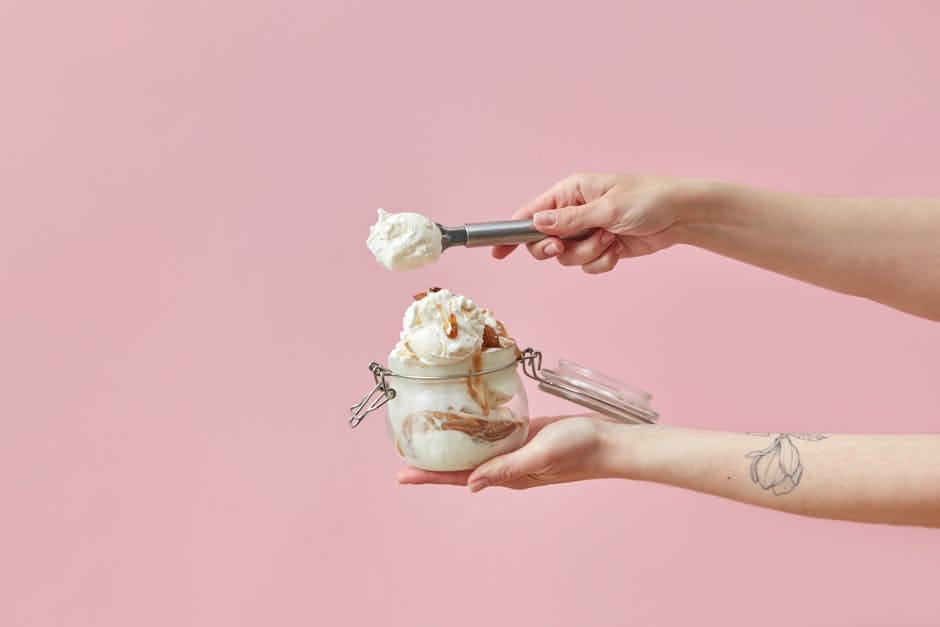
Let's get the obvious out of the way: mason jar ice cream is exactly what it sounds like. You put cream, sweetened condensed milk, and whatever you're craving into a 16-ounce jar, seal it, shake it for about five minutes, and then freeze it. A few hours later, you have honest-to-god homemade ice cream — no machine, no custard, no thermometer, no prior culinary training. It is, genuinely, that simple.
And yet it keeps being undersold. Most recipes treat it as a novelty: a cute thing to do with kids on a summer afternoon, a Pinterest project for people who think canning jars are charming (they are). What those recipes miss is the bigger picture. Making ice cream in a mason jar is one of the few kitchen activities that is genuinely fun to do with another person — hands-on, low stakes, payoff in under four hours. As a date night dessert, it's practically unbeatable. As a party trick, it's even better.
What Is Mason Jar Ice Cream, Exactly?
Mason jar ice cream is a form of no churn ice cream made by shaking heavy cream together with sweetened condensed milk and flavorings in a sealed jar until the mixture thickens, then freezing it solid. The shaking does the work that a machine normally would: it agitates the fat, incorporates a small amount of air, and begins the process of building the creamy texture that defines good ice cream.
The result is a single-serving or two-serving frozen dessert with a genuinely rich, scoopable texture — softer and creamier than a typical sorbet, not quite as airy as commercial ice cream, but unambiguously in the same family. And it serves directly from the jar, which means one less dish.
The Science of Shaking: Why Mason Jar Ice Cream Actually Works
Ice cream has a surprisingly complicated microstructure. The texture you love in great ice cream — smooth, dense, melts slowly on the tongue — comes from a careful balance of fat, sugar, air, and tiny ice crystals. Commercial manufacturers use high-powered dasher freezers to simultaneously freeze and aerate the mix. Home churners use pre-frozen bowls that mimic the process. But the fundamentals of ice cream formation are purely physical: you need agitation, you need fat, and you need a depressed freezing point.
The mason jar method satisfies all three. When you shake the jar, the fat globules in the heavy cream are forced to partially coalesce — they clump together without fully merging, building a three-dimensional fat network that gives no-churn ice cream its body. The sweetened condensed milk brings two important things to the equation: a massive sugar load that lowers the freezing point (preventing the ice crystals from growing too large) and a dramatically reduced water content, which means fewer ice crystals in the first place. The result is ice cream that stays scoopable and smooth rather than turning into a rock-hard block.
One important note: do not shake the jar for more than five to six minutes. Past that point, you're not making ice cream — you're making sweetened whipped butter, which is delicious but not what anyone signed up for here.
How to Make Mason Jar Ice Cream: The Base Recipe
Everything starts here. Master this, and the rest is just shopping.
The Ingredients (per jar / per person)
- ½ cup heavy cream (cold, straight from the fridge)
- 2 tablespoons sweetened condensed milk
- 2 tablespoons whole milk
- 1 teaspoon pure vanilla extract
- A small pinch of kosher salt
- Your mix-ins (see below)
The Method
- Combine the cream, condensed milk, whole milk, vanilla, and salt in a 16-ounce wide-mouth mason jar.
- Seal the lid tightly. Shake vigorously for four to five minutes — you're looking for the mixture to thicken noticeably and coat a spoon when you open it briefly to check.
- Add your mix-ins and stir or shake briefly to incorporate.
- Freeze for at least three hours. The sweet spot for texture is three to four hours: firm enough to scoop, soft enough to be genuinely pleasurable. Overnight works too — just let it sit at room temperature for five minutes before opening.
Equipment note: Use metal lids, not plastic. They seal tighter, which makes shaking ice cream more effective and significantly less messy.
Five Mason Jar Ice Cream Recipes Worth Making
The base is a blank canvas. Here are five directions worth going.
Classic Vanilla Bean
Swap the vanilla extract for the scraped seeds of half a vanilla bean. Nothing else needs to change. This is the version you make when you want to impress without trying, which is basically the whole point of dessert.
Salted Honey
Replace the vanilla with two tablespoons of good wildflower honey and add a generous pinch of flaky sea salt. Add an additional pinch on top before freezing. The salt cuts through the sweetness in a way that makes this taste like something you paid twelve dollars for at a small-batch creamery.
Strawberry Balsamic
Macerate a handful of sliced strawberries in a teaspoon of sugar and a few drops of aged balsamic for twenty minutes. Fold into the base after shaking ice cream. The balsamic sounds counterintuitive right up until you taste it — it deepens the strawberry flavor in the same way a pinch of salt deepens chocolate.
Dark Chocolate Espresso
Add one tablespoon of unsweetened Dutch-process cocoa and half a teaspoon of instant espresso powder to the jar before shaking. Fold in roughly chopped dark chocolate (70% or higher) just before freezing. This is the version for people who believe dessert should have some edge to it.
Bourbon Peach (Late Summer)
Add one tablespoon of bourbon and two tablespoons of good-quality peach preserves to the base. The alcohol does double duty: it adds flavor and lowers the freezing point further, keeping the texture especially soft. This is a late-summer jar, the kind you make with the last peaches at the farmers market before the season turns.
Mason Jar Ice Cream as a Date Night Dessert
There's a reason cooking together shows up on every list of good date ideas. It's collaborative without the pressure of a sit-down dinner. It gives you something to talk about while your hands are busy. And unlike making pasta from scratch, making homemade ice cream in a mason jar has an almost zero failure rate — which matters when there are nerves involved.
The shaking part is particularly useful. You have to take turns. You end up timing each other, making fun of each other's technique, arguing about whether four minutes is enough. It's the kind of small physical task that creates the illusion of teamwork without requiring either party to know what they're doing. By the time the jar goes into the freezer, something has loosened up in the room. That's the whole point.
A few logistical notes for the date night version: Make the ice cream before you start cooking dinner — it needs the freeze time anyway. While it sets, you can work on whatever main course you've been planning. By the time you've finished a slow-cooked, thoughtfully assembled dinner, dessert is already done. That kind of planning reads as effortless. It is not effortless, but that's the secret.
The other move: set out a small toppings bar. A few bowls of options — crushed graham crackers, hot fudge, toasted nuts, flaky salt, maraschino cherries — and let your date build their own. It's interactive without being precious, and it extends the dessert portion of the evening by fifteen minutes. That's always worth doing.
Seasonal Variations: Making Mason Jar Ice Cream Year-Round
The no churn ice cream base travels well across the calendar. Here's how to think about it by season.
Spring
Lemon curd swirl. Fold in two tablespoons of store-bought or homemade lemon curd just before freezing, leaving visible ribbons rather than mixing it smooth. Bright, slightly tart, pairs well with shortbread.
Summer
Any stone fruit works — peach, cherry, apricot. Macerate them first with a little sugar to draw out the liquid, then fold into the base. Mint chocolate chip is also peak summer: add a few drops of peppermint extract and fold in good chocolate chips. Serve straight from the jar, outside, before it gets too warm.
Fall
Brown butter the condensed milk before using it: melt the contents of the can in a small saucepan over medium heat and cook, stirring, until the color deepens and it smells faintly nutty. Let it cool completely, then use as your condensed milk base. Add a pinch of cinnamon and freshly grated nutmeg. This is the fall version — the one that makes your kitchen smell like a bakery on a cold Saturday morning. It pairs particularly well at the end of a hearty autumn dinner.
Winter
Peppermint bark: crushed candy canes plus dark chocolate chips, folded into the vanilla base. Eggnog version: swap the whole milk for real eggnog and add a tablespoon of bourbon or dark rum. Both are built for holiday gatherings and take all of five minutes to prep before the jar goes in the freezer.
Troubleshooting: When Things Go Wrong
This dessert is genuinely hard to mess up, but a few problems do come up with some regularity.
It's too icy
You either used too much whole milk relative to heavy cream, or not enough sweetened condensed milk. The condensed milk is doing most of the anti-crystallization work — don't reduce the amount. Also make sure the cream is cold going into the jar. Warm cream doesn't shake up efficiently and produces a looser, icier result.
It froze solid
Leave it at room temperature for five to eight minutes before eating. If you're planning to freeze it overnight, know that it will need a few minutes to soften before it's scoopable. This is expected, not a failure.
It tastes flat
Add salt. A small pinch of kosher salt in the base makes every flavor more of itself. This is the single most underused technique in home dessert-making, and it works every time.
The texture turned grainy after refreezing
Once you've opened the jar and taken some out, the ice crystals that form on the surface will grow during subsequent freeze-thaw cycles. This is physics. Eat mason jar ice cream within three to four days for best texture, and keep the lid tightly sealed between servings.
I accidentally made butter
You shook it too long. The sweet butter is not a waste — spread it on toast. Start a new jar.
The Ice Cream Maker Alternative That Actually Holds Up
There's an honest question lurking here: how does mason jar ice cream compare to machine-churned? The answer is that it's a different thing, not a lesser one. Commercial and churned ice cream has more air incorporated, which makes it lighter and more scoopable straight from the freezer. It's denser and richer — closer in spirit to gelato than to a tub of grocery store vanilla. It doesn't have the perfectly uniform texture that a machine produces. It has its own texture: slightly more rustic, more intensely flavored, and — this is not nothing — made with your hands.
For anyone who wants to get into homemade ice cream without committing to a machine, this is the most reliable starting point. Four ingredients. One jar you already own. About four hours of patience. That's the whole deal, and it's almost always enough.
Sign up for FD's newsletter
The freshest stories from the food and dating world every week.