Pasta with Sundried Tomatoes Is the Most Underrated Weeknight Seduction
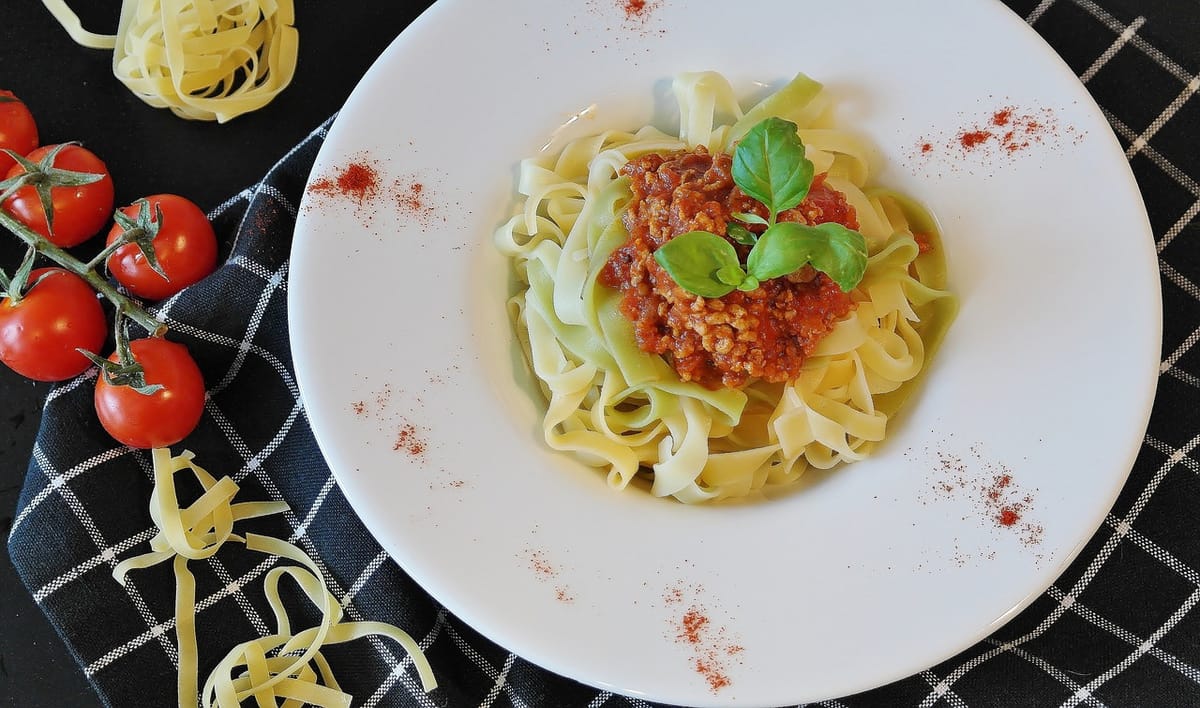
Let's establish something upfront: pasta with sundried tomatoes is one of the most useful, most delicious, and most chronically underappreciated dishes you can make on a Tuesday night—or a first-date Saturday. It requires almost no fresh produce. It comes together in roughly 20 minutes. And yet it tastes like you consulted a Roman grandmother. That's the magic. That's the whole thing.
Before we go further, here's your quick answer if you're in a rush: sun-dried tomato pasta is made by sautéing garlic and oil-packed sundried tomatoes in olive oil, tossing with cooked pasta and a splash of pasta water, then finishing with parmesan. From there, you can go creamy, aglio-e-olio-style, or cold as a salad. The base template is forgiving, fast, and endlessly adaptable. Now let's get into the details—because this dish deserves them.
The Complicated Reputation of Sundried Tomatoes
Sun-dried tomatoes have a past. In the 1980s and early '90s, they were the ingredient—the shorthand for a certain kind of aspirational American cooking that was discovering olive oil, Mediterranean flavors, and the idea that dinner could be sophisticated without being French. Dorothy Kalins, the founding editor of Saveur, called them a flavor firecracker. The Los Angeles Times noted in 1990 that it had become almost shocking to open an Italian menu and not find angel hair pasta with sun-dried tomatoes.
Then came the backlash. American producers flooded the market with inferior, dehydrated versions that had none of the sweetness of the real thing—just a leathery, bitter ghost of what the ingredient was supposed to be. By the late '90s, sundried tomatoes were sharing a cultural landfill with raspberry vinaigrette and red velvet cupcakes. Ruth Reichl, never one to mince words, called them an example of all the worst qualities of tomatoes.
Here's the thing though: the problem was never the tomatoes. It was the tomatoes' overexposure, and the cheap knock-offs. Buy a good jar—oil-packed, ideally from Puglia or Sicily, ideally with visible herbs—and you're holding something with genuine depth. The drying process concentrates the glutamates in tomatoes, supercharging their natural savory intensity. As DeLallo explains, sun-drying removes most of the water content, concentrating the tomato's flavor into something richer and more robust than fresh tomatoes could ever be. That's not a flaw. That's the entire point.
Why Sundried Tomato Pasta Belongs in Your Permanent Rotation
The pantry pasta is a specific genre, and it has rules. The best ones—pasta aglio e olio, cacio e pepe, pasta al burro—require almost nothing from you except technique and good ingredients. Sun-dried tomato pasta fits squarely in this tradition, with one advantage over the others: it comes pre-loaded with complexity. The tomatoes do the heavy lifting. You're not building flavor so much as releasing it.
A jar of oil-packed sundried tomatoes is one of the best things you can keep on your shelf. The tomatoes themselves are the obvious draw, but the oil they're packed in is something cooks often overlook—it's already infused with the tomatoes' concentrated flavor, plus whatever herbs the producer added. Use it to sauté your garlic. Use it as the base of a vinaigrette. Use it to finish a sauce. Throwing it away is a minor crime.
This is also, incidentally, why pasta with sundried tomatoes is such a strong move for a date night dinner at home. It looks like effort. It smells like effort. The finished plate—glossy with good olive oil, studded with those jewel-red pieces, finished with a snow of parmesan—looks like you had a plan. And you did. Your plan was to spend 20 minutes cooking instead of 90. Nobody needs to know that part. (If you want to go truly effortless on date night, Slow Cooker Chicken Alfredo is another path to creamy pasta without the panic—but the sundried tomato version has a certain improvisational confidence that's hard to fake.)
Three Ways to Make Pasta with Sundried Tomatoes
There's no single sundried tomato pasta recipe—there's a family of them. The ingredient is versatile enough to anchor a rich cream sauce, a bright oil-based preparation, or a room-temperature salad that can be made hours ahead. Here's how to think about each one.
The Creamy Version (The Crowd-Pleaser)
This is the one that converts people. A sauce built on garlic, shallots, white wine, and heavy cream, with sundried tomatoes cut into rough strips and cooked until they're almost jammy. The cream takes on a faint blush from the tomatoes. The whole thing comes together in one pan, which means fewer dishes, which is relevant information when someone is watching you cook from a barstool.
The pasta of choice here is something with heft: rigatoni, penne, or orecchiette. You want something that will hold the sauce, not just wear a thin film of it. A white wine that you're actually going to drink—pinot grigio, a dry Vermentino—goes into the pan and also into the glass. Reserve a cup of pasta water before you drain; it's your insurance policy for getting the sauce to coat every piece of pasta rather than pooling at the bottom of the bowl.
Finish with good parmesan, a fistful of fresh basil if you have it, and a crack of black pepper. Optional: a handful of baby spinach wilted in at the end for color and the illusion of virtue.
The Oil-Based Version (The Purist's Choice)
This is closer to the Italian original. No cream. No thickening agents. Just garlic cooked low and slow in the sundried tomato oil until it's soft and fragrant—not brown, not bitter—then the tomatoes, then a generous amount of the oil, then pasta and pasta water emulsified into something silky and cohesive.
It requires a bit more technique than the creamy version because there's nothing to hide behind. The pasta water emulsification is everything: add it hot, toss vigorously off the heat, and the starch binds with the fat into a glossy sauce that coats each strand. Spaghetti or linguine works beautifully here. Add a pinch of chili flakes at the beginning. A handful of capers, if you're in the mood for something briny. Anchovies dissolved into the oil, if you want depth without anyone being able to name exactly what they're tasting.
This version pairs exceptionally well with a glass of something Italian—a light Chianti Classico or a Verdicchio, both of which have the acidity to cut through the richness of the oil and echo the savory intensity of the tomatoes.
The Cold Pasta Salad (The Make-Ahead Master)
Sundried tomato pasta salad doesn't get nearly enough credit as a serious dish. It tends to get filed under "potluck contribution" and dismissed, which is unfair. Done well, it's a complete meal: farfalle or rigatoni tossed while still warm with sundried tomatoes, fresh mozzarella pearls, halved cherry tomatoes, basil, and a dressing made with the oil from the tomato jar, balsamic vinegar, and garlic.
The key is dressing the pasta while it's still hot enough to absorb. Cold pasta is a closed system. Warm pasta drinks in the vinegar, the oil, the garlic—and when it hits the refrigerator, all of that has had time to settle in. This is the version to make on a Thursday night for a Friday dinner party, or to bring to a picnic if you're the kind of person who brings good food to picnics. It's also, it should be noted, excellent for a low-key date night where cooking together is the point: divide up the prep, put on a record, open the wine before either of you has touched the stove.
The Pantry Staples You Actually Need
A word about sourcing, because it matters more here than it does with most dishes. The quality of your sundried tomatoes is the quality of your pasta. There's a wide spectrum between the leathery, oil-free, vacuum-packed bags you sometimes see at the back of the grocery store—the ones that gave the ingredient its bad reputation—and a good jar of oil-packed Pugliese tomatoes with herbs. Buy the jar. Buy the oil-packed ones. You can usually find them at Italian specialty stores or online.
- Oil-packed sundried tomatoes: The foundation. Look for ones from southern Italy—Puglia, Sicily, Calabria—where the tomatoes have enough sugar and flesh to survive the drying process with flavor intact.
- Good olive oil: You'll likely supplement the tomato oil with additional olive oil. This isn't the moment for the bulk jug.
- Pasta: Dried, Italian, bronze-die extruded if you can find it. The rougher surface holds sauce better than the smooth, Teflon-extruded kind.
- Parmesan: A wedge, not the green canister. The difference in flavor is not subtle.
- Garlic: Fresh. Always.
Pasta Shape Matters More Than You Think
This is the part most pasta with sundried tomatoes recipes skip over, and it's worth lingering on. The dish works across a range of shapes, but each choice produces a different experience. Rigatoni or penne catches sauce inside the tube—every bite is a little pocket of concentrated flavor. Spaghetti or linguine creates a silkier, more integrated result where sauce and pasta are inseparable. Farfalle (bow ties) are the right call for the cold salad—their folds hold the dressing and the surface area is generous.
Orecchiette deserves a special mention: the little ear-shaped pasta from Puglia, which is also where a lot of the best sun-dried tomatoes come from. There's something appropriate about using a pasta from the same region as the ingredient, and the cups of the orecchiette hold a creamy sun-dried tomato sauce with particular enthusiasm.
Wine Pairings: What to Open
The sauce style determines the wine. This is the rule, and it applies whether you're cooking for yourself or trying to look like you know what you're doing in front of someone new.
For the creamy sun-dried tomato pasta: a dry white with enough body to match the richness. Verdicchio is an underrated choice—its herbal notes and crisp acidity play well against the cream and the concentrated tomato. A Pinot Grigio from Friuli works. If you want to open a red, keep it light: Pinot Noir is gentle enough not to overpower the sauce.
For the oil-based version: you want something with more structure. A Chianti Classico, with its cherry and earthy character, is the classic answer. Its acidity cuts through the oil and mirrors the savory depth of the tomatoes. A Vermentino from Sardinia also works beautifully if you want to stay white.
For the pasta salad: a dry rosé, served cold, with enough fruit to stand up to the vinegar in the dressing. The fuller-bodied styles from the South of France are particularly good here. This is also, frankly, the easiest wine decision of all three.
The Date Night Case for Sun-Dried Tomato Pasta
There's a specific romantic energy to cooking pasta from scratch—not from a recipe, not with a timer going, just making something from what's in the kitchen. Sun-dried tomato pasta is ideal for this because it's forgiving enough to leave room for conversation. You're not monitoring a precise temperature or timing multiple components. You're sautéing garlic and talking. You're adding cream and talking. You're tossing pasta and—this is important—you're doing it together or you're watching each other do it, which is its own kind of intimacy.
The dish also scales without drama. Making it for two is as easy as making it for six. The leftovers, if there are any, are good cold the next morning in a way that feels a little transgressive and also very satisfying. It's the kind of meal that doesn't end at dinner.
If you want to dial up the occasion without adding much work, brown some Italian sausage in the pan before the garlic, or add a handful of shrimp in the last two minutes of cooking. The base sundried tomato pasta recipe handles additions graciously. It's not precious. It doesn't require perfection. It just requires good ingredients, a hot pan, and someone to eat it with—though eating it alone, with a good glass of wine and something worth watching, is also a completely legitimate use of the dish. No judgment. The best food experiences, like the best pizza, don't need a formal occasion.
A Few Things That Will Make It Noticeably Better
- Salt the pasta water aggressively. It should taste like the sea. This is where the pasta gets seasoned from the inside out, and no amount of finishing salt will compensate for bland pasta water.
- Don't let the garlic brown. The oil-based version especially depends on sweet, soft garlic. The moment it turns golden, it starts to turn bitter. Low heat, patience.
- Use the pasta water. This isn't optional advice. The starch in the water is what transforms an oily sauce into something that clings to the pasta. Add it a splash at a time, tossing constantly, until everything looks glossy and cohesive.
- Chop the tomatoes. Unless they're already julienned, cut them into smaller pieces. You want a bit of sundried tomato in every forkful, not a single large piece that dominates one bite and disappears from the next three.
- Finish off the heat. For the creamy version, pull the pan off the burner before adding the parmesan. Cheese added to a screaming-hot pan seizes and clumps. A few seconds off the heat and it melts into the sauce smoothly.
None of this is complicated. That's the whole point of pasta with sundried tomatoes—it's a weeknight dinner that rewards a little attention without demanding expertise. The ingredient does most of the work. Your job is to stay out of the way, season intelligently, and not overcook the pasta. The rest takes care of itself.
Sign up for FD's newsletter
The freshest stories from the food and dating world every week.